VOCATION PROMOTION
Vocation Promotion
What It Means
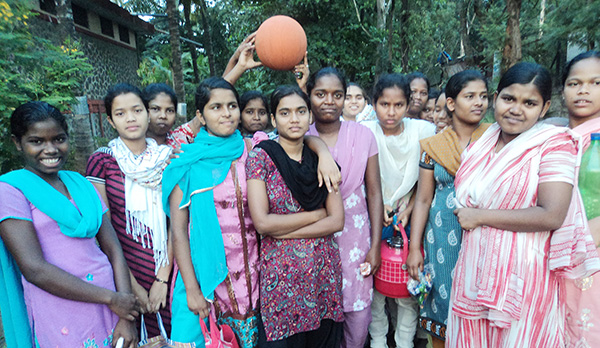
Promoting God’s call to religious life

Religious Formation

In the life of any Catholic religious community, including the Society of St. Ursula, vocation promotion refers to the intentional effort to help people discern and respond to God’s call to religious life.

Vocation Promotion in women Religious Life in the Catholic Church refers to the prayerful, pastoral, and organized effort to help people—especially young girls—discover, discern, and respond to God’s call to a consecrated life as religious sisters.

It is not recruitment in a worldly sense, but accompaniment in discernment, rooted in faith and freedom.

Core Aspects of Vocation Promotion

1. Helping Others Discern God’s Call

A vocation in Church parlance is a call from God — to religious life, priesthood, marriage, or consecrated single life. The Church encourages creating spaces of prayer, reflection, and accompaniment so that individuals can hear and respond to this call.

2. Witnessing Through Life and Ministry

Religious sisters, by the example of their lives — prayer, community, service, obedience — become living witnesses to God’s call. Their day-to-day fidelity to the Gospel helps others see the beauty of a life fully given to Christ

3. Education and Outreach Activities

• School and parish visits to talk about religious life.

• Vocation information events and “Come and See” experiences.

• Prayer services and discernment retreats for young women interested in exploring their calling.

4. Accompaniment and Discernment Support

Once someone expresses interest, the congregation offers personal accompaniment — helping the individual pray, reflect, and understand what religious life entails before any formal step like postulancy.

Formation Read More
Formation
Formation Photo Gallery
Society of Ursula Religious Formation
News Index
Society of Ursula Religious Formation

Religious Formation

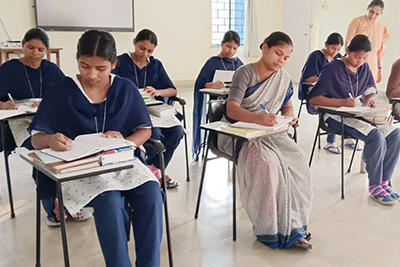
Religious formation takes place when a candidate commits herself to a sincere search for God and a deeper search for her own self. A religious vocation is a special grace that God grants to certain persons, calling them to a life of the evangelical counsels. It is a gift and an opportunity that must be responded to freely; otherwise, the grace may remain sterile and ineffective.

The chief goal of religious formation is to help a young person become Christ-like. Formation provides opportunities for all-round personal growth by creating a loving, joyful, and challenging atmosphere and by interacting with the formees in simple, caring, and life-giving ways.

“Every person is unique, carrying within themselves a wide variety of experiences. The novitiate provides an opportunity for each individual to discover her inner potential. Through teaching and personal guidance, we accompany them and foster courage and conviction in their God-given abilities. They learn to listen to themselves and to connect deeply with God, who has called them to be His.”

Religious Formation

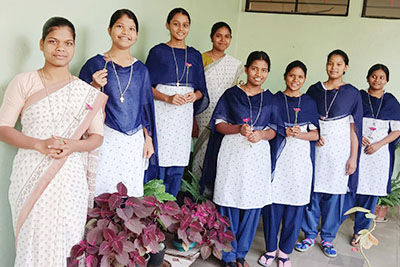
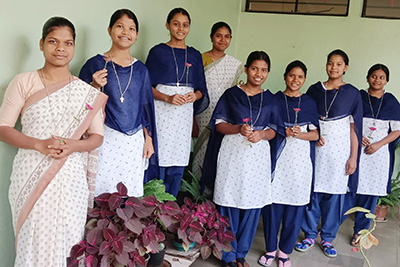
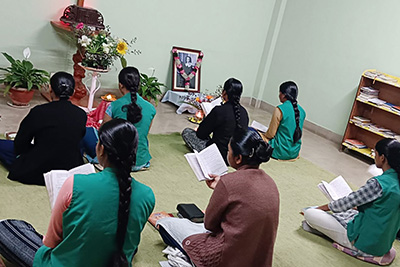
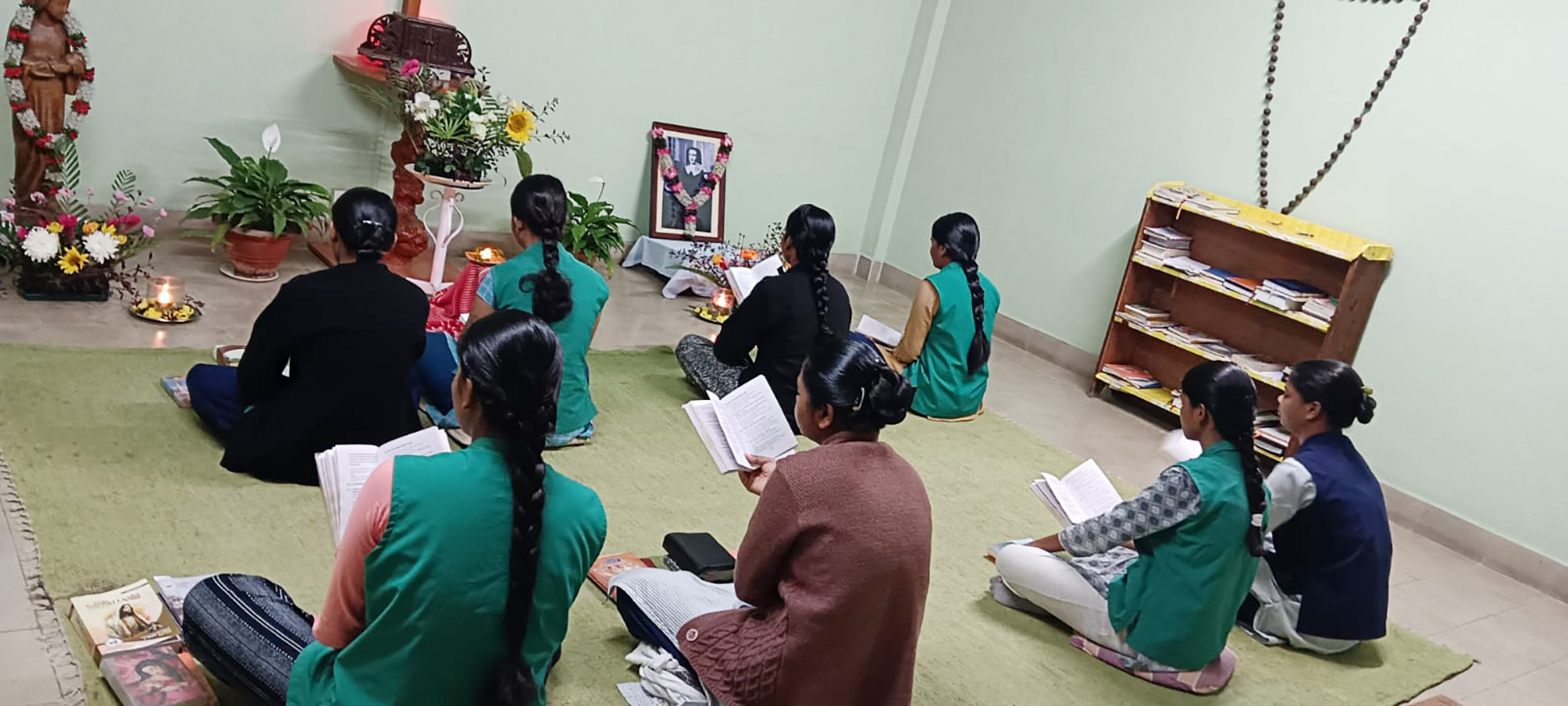
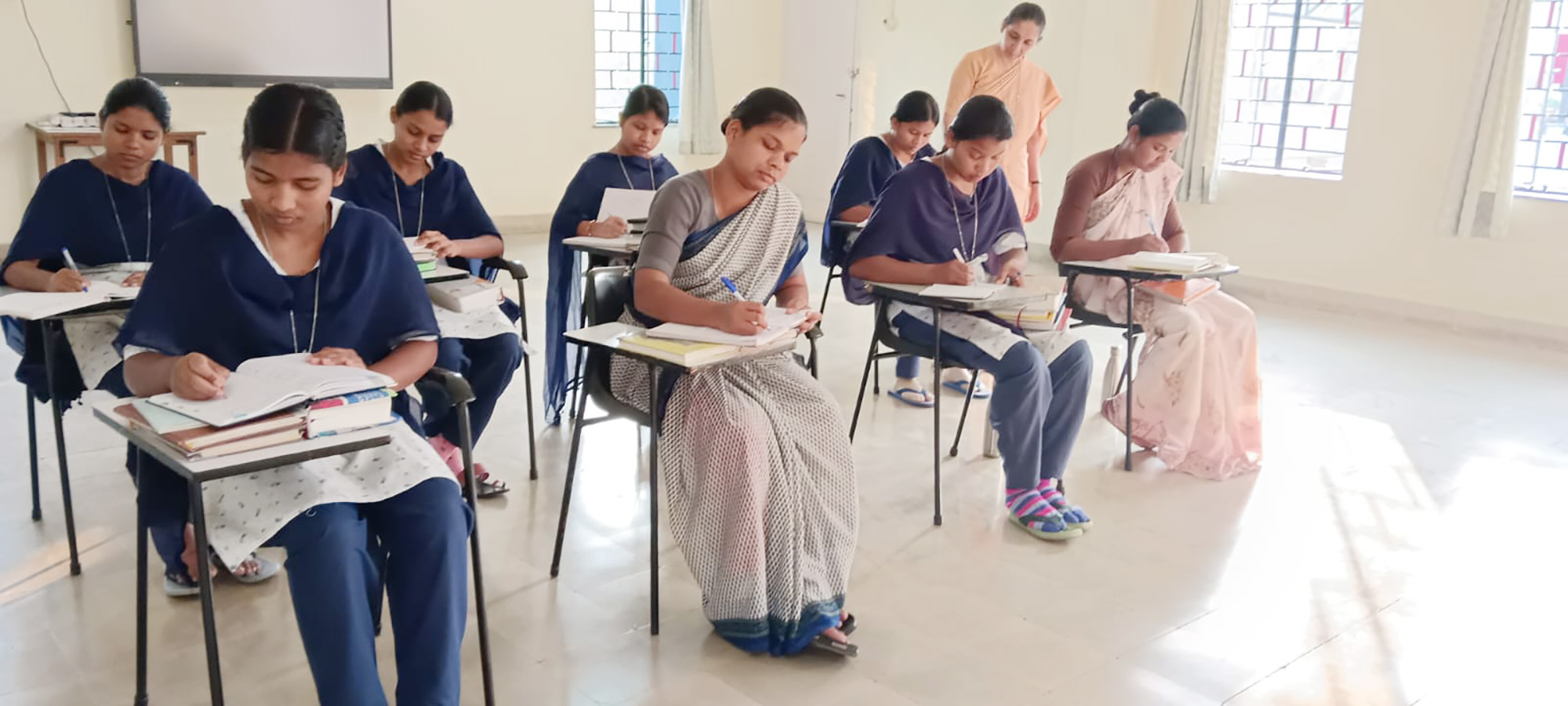
Novitiate life is a precious time of formation in which young women learn to root themselves deeply in Christ and to grow in the spirit of the congregation. Prayer forms the heart of this journey. Through the daily Eucharist, meditation, community prayer, and silent reflection, novices learn to listen to God’s voice and allow His Word to shape their thoughts, choices, and desires.

Work is another important dimension of formation. Whether through household tasks, teaching, pastoral activities, or service in community ministries, work instills responsibility, simplicity, and a spirit of service. It helps novices understand that consecrated life is lived not only in the chapel but also in the humble tasks of everyday life.

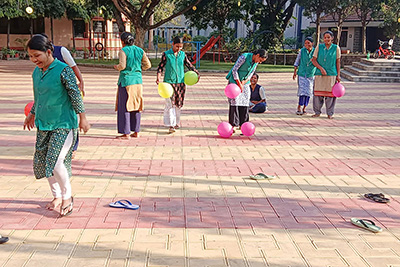
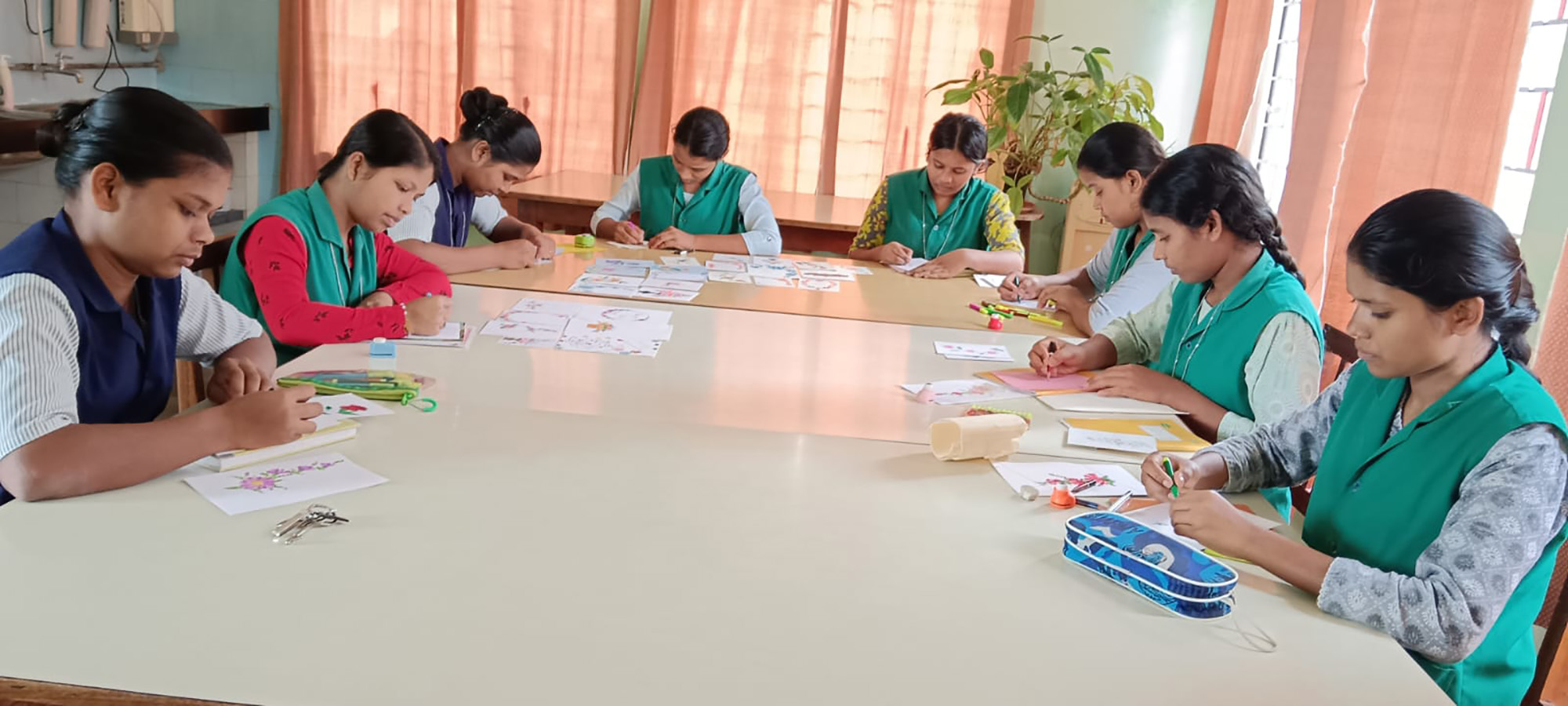
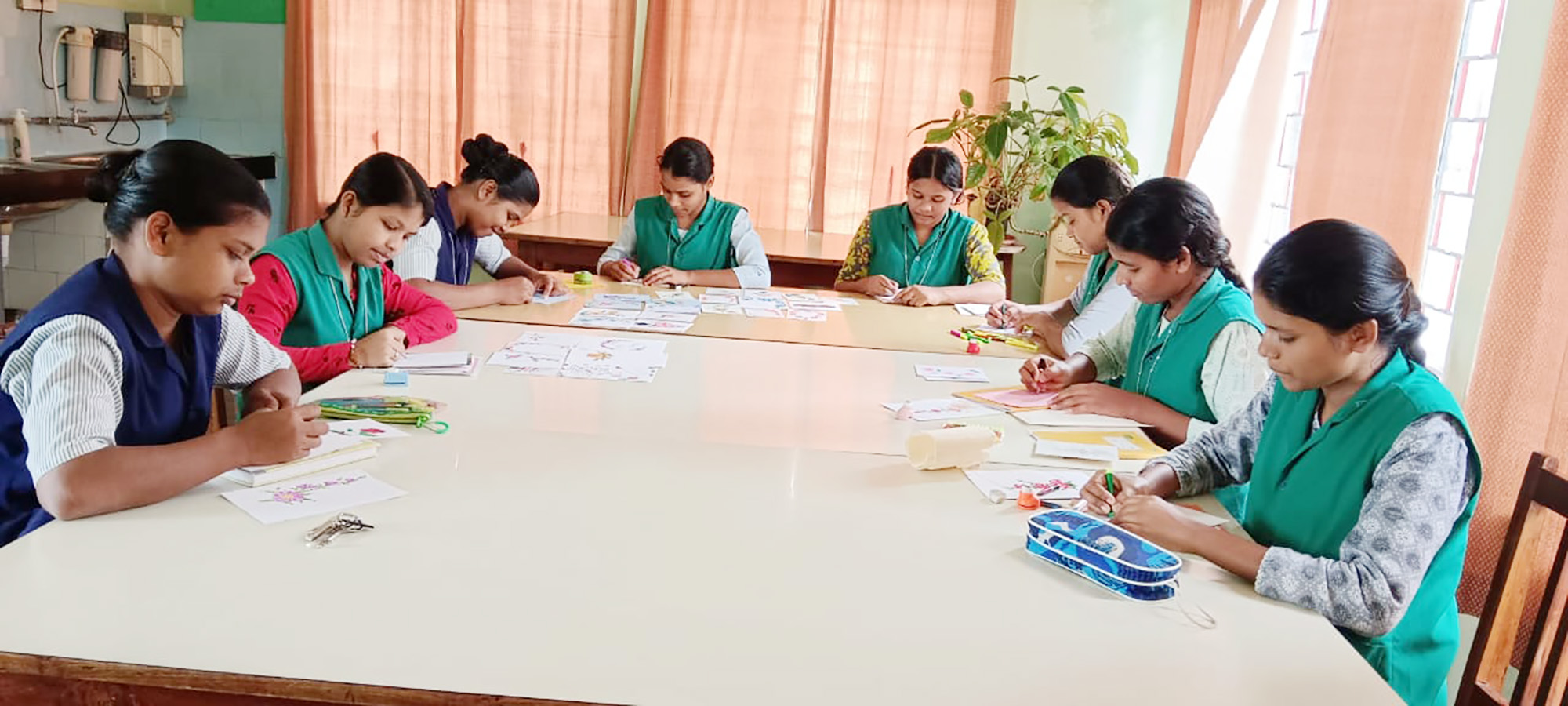
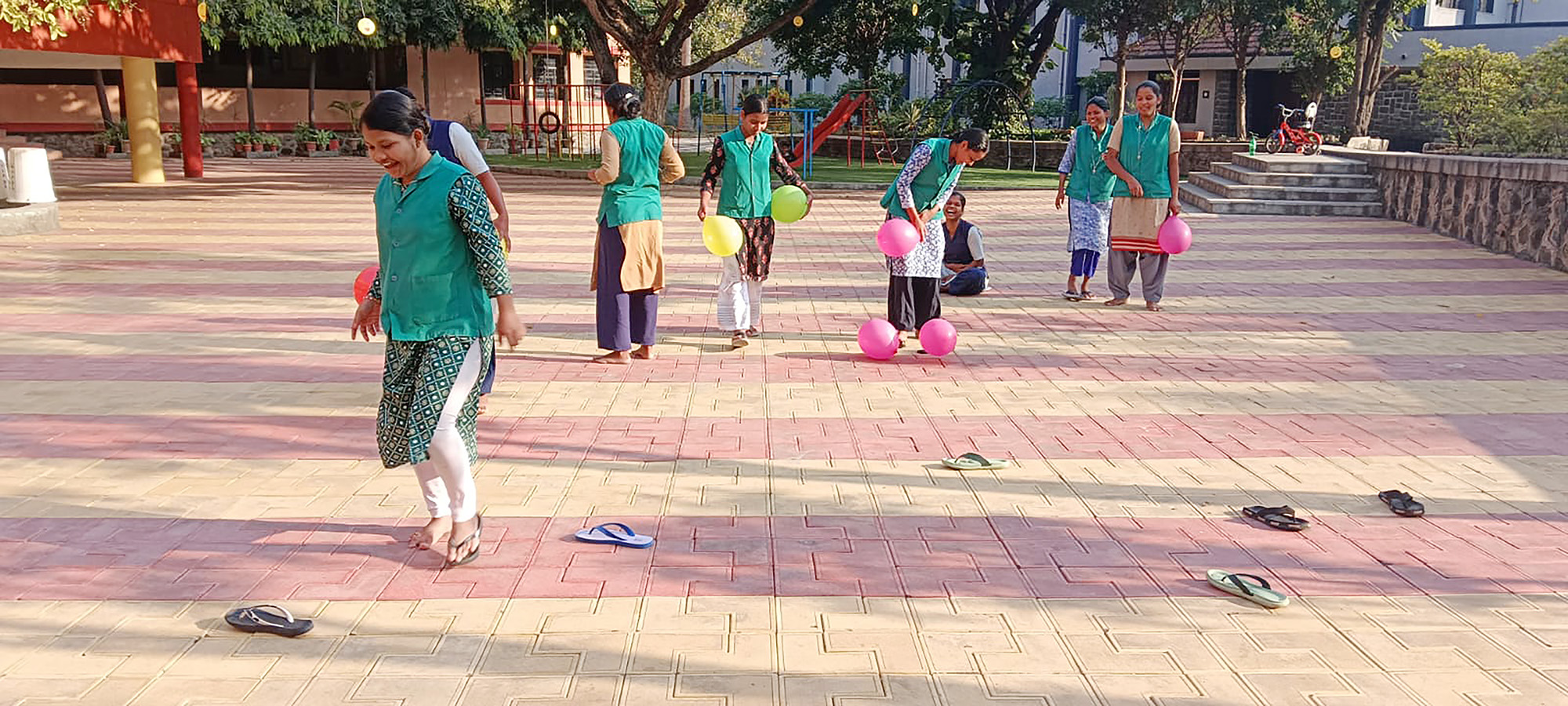
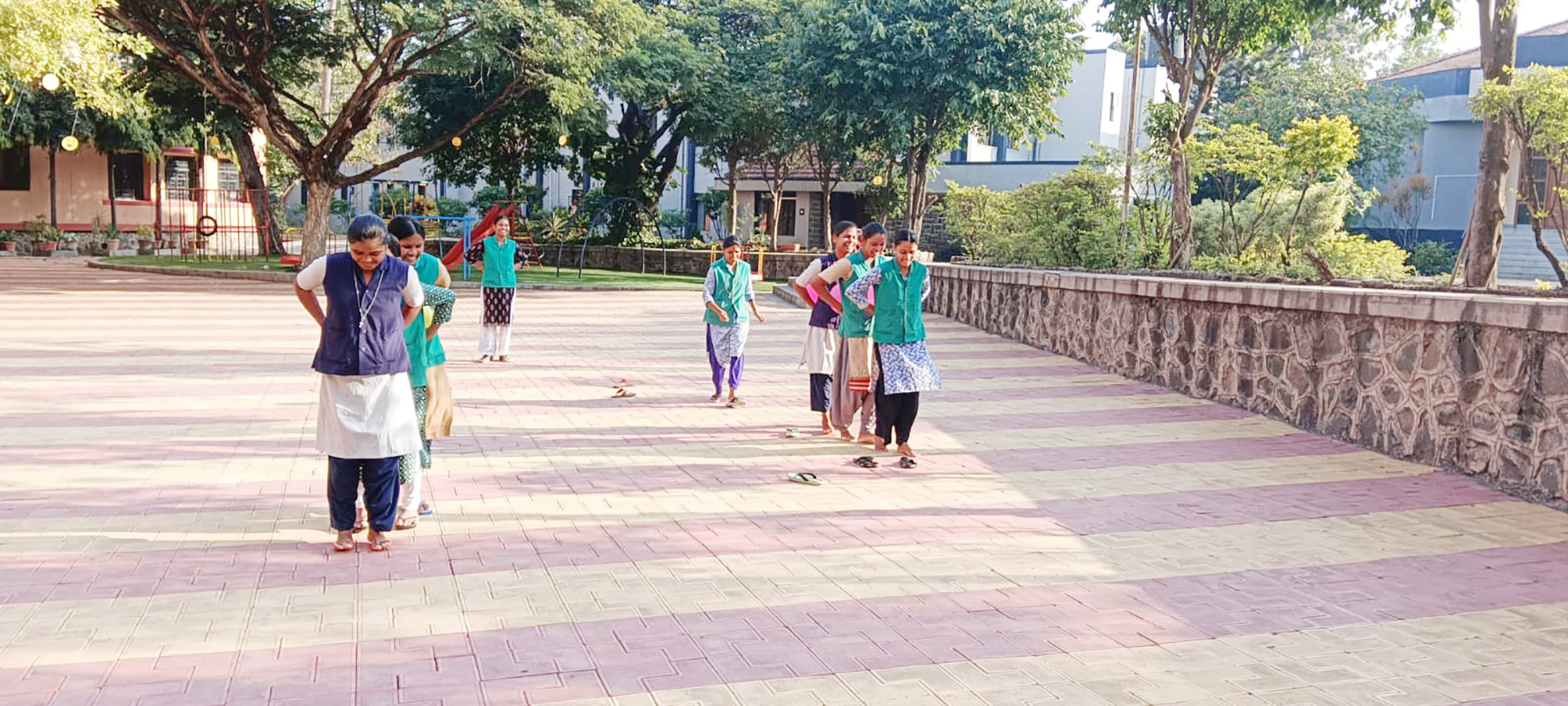
Play and recreation ensure a healthy balance. Shared laughter, games, creative activities, and moments of relaxation foster community bonding and emotional well-being. Together, prayer, work, and play nurture all-round development, forming women who are spiritually grounded, emotionally mature, and joyfully committed to God’s mission.

Stages of Formation

Religious Formation
1. “Come and See” (Candidateship)

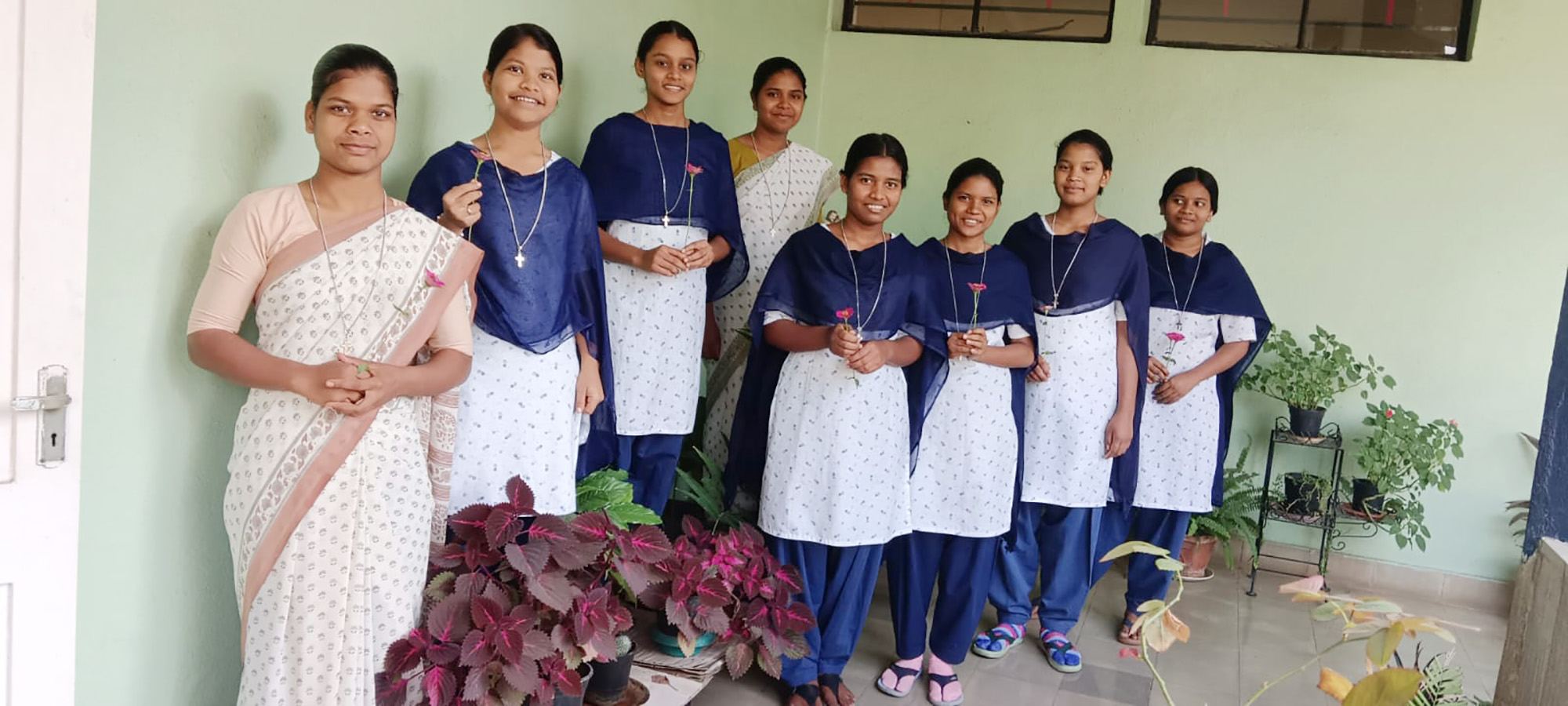
A girl who feels drawn towards religious life is invited to come and experience life with us. During this time, she is initiated into a new way of life and helped to gain a deeper understanding of her call. The candidate-mistress accompanies her in discerning God’s will.

This period allows the candidate to become familiar with apostolic religious life, deepen her prayer life, and live in community. At the same time, she learns English, household work, and takes up small responsibilities. After spending six months with us, the candidate returns home for a month to reflect and decide on her future.

Religious Formation
2. Pre-Novitiate

If the candidate chooses to return and the Society is satisfied with her suitability, she seeks admission to the pre-novitiate, the second stage of formation.

This period lasts one year. During this time, she is given the opportunity to deepen her personal and liturgical prayer life, live in community, and interact more closely with others. She is introduced to the life, spirituality, and charism of the Foundress. She lives alongside the novices and is guided by the postulant-mistress.

Religious Formation
3. Novitiate

The novitiate is the third and a crucial stage of formation. It is a time of intense formation and initiation into religious life and lasts for two years.

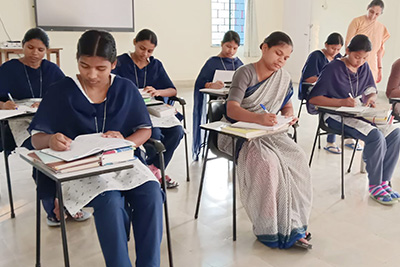
During this period, the novice comes to know the spirit of the Society through the study of the Constitutions, the History of the Society, and community life. In the second year, the novice is sent for a live-in experience in one of our communities for a period of three months. She takes active part in the apostolate and community life.

This experience helps the novice discern whether she wishes to become an Ursuline, and it also enables the Society to discern her suitability. At the end of the novitiate, the novice—aware of God’s gift in her vocation and desiring to commit herself to God and His mission—asks to make her First Commitment.

Religious Formation
4. Juniorate

The juniorate is a period of deeper insertion into the life of the Community, the Congregation, and the local Church. The newly professed sister is appointed to a community where she becomes a full member and is entrusted with an apostolic mission.

The junior-mistress maintains regular contact with her, offers guidance, and organizes courses on various topics for her ongoing formation. Integration into community life and apostolate provides opportunities for enrichment and growth. The period of temporary profession lasts between five and nine years, allowing the junior sister sufficient time to make her final decision

Religious Formation
5. Perpetual Profession

Through perpetual profession, the sister commits herself definitively and publicly to a life in the Society of St. Ursula of Anne de Xainctonge. By the vows of chastity, poverty, and obedience, she consecrates herself to the Lord forever and is fully incorporated into the Society.

Through this commitment, she becomes personally co-responsible for the entire Congregation—its mission, growth, and faithfulness to the charism of Anne de Xainctonge.

On-Going Formation

Religious Formation

Perpetual profession places greater responsibility on the sister for continual growth and deeper rootedness in Christ and His mission. As she is engaged in active ministry, she encounters the challenges and realities of life.

Therefore, she is encouraged to devote adequate time to prayer, seek spiritual guidance, read spiritual literature, and remain spiritually vigilant. This helps her to live a joyful community life and to be effective in her apostolate. Regular renewal programmes, seminars, and formation courses are organized to deepen her commitment to God and to the mission of the Society.

News

Formation Read More
St. Ursula School celebrated the Heritage Day
Formation Photo Gallery
St. Ursula School celebrated the Heritage Day
News Index
St. Ursula School celebrated the Heritage Day