History of Society of St. Ursula
The Historical Growth of the Society of St. Ursula (Ursuline Sisters of the Blessed Virgin Mary, SU)
DOLE, FRANCE
JUNE 16, 1606
The Society of the Sisters of Saint Ursula of the Blessed Virgin Mary (S.U.) is one of the historic women’s religious congregations in the Catholic Church, with a deep heritage rooted in education and service. Its growth reflects both fidelity to its founding charism and dynamic adaptation to the needs of the Church and society over more than four centuries.
📜 1. Founding Vision (1606): A New Model of Religious Life
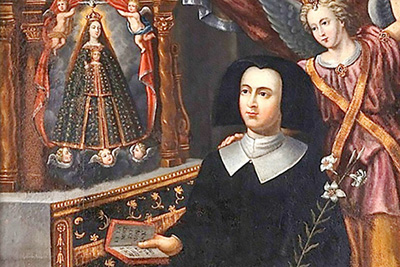
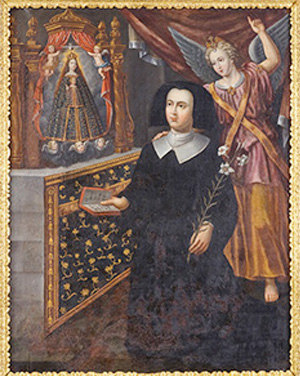
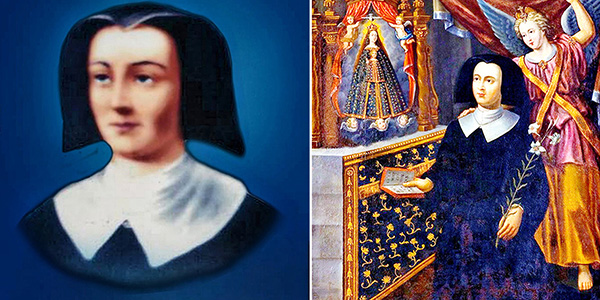
The Society was founded in 1606 in Dole, France, by the Venerable Anne de Xainctonge (1567–1621), a French woman inspired by the Jesuit spirit of education and evangelization
* At a time when girls’ education was largely neglected, Anne envisioned a community of women dedicated to teaching and serving while living in the world rather than in strict monastic enclosure—an innovative and daring model for the era.
🌱 2. Early Growth and Struggles (17th–18th Centuries)
Following its foundation:
* At a time when girls’ education was largely neglected, Anne envisioned a community of women dedicated to teaching and serving while living in the world rather than in strict monastic enclosure—an innovative and daring model for the era.
📜 3. Formal Recognition and Expansion (17th–19th Centuries)

* The Society’s statutes and rule—based on the Ignatian rule of the Jesuits and adapted to women’s apostolic life—were begun by Anne de Xainctonge and completed after her death in 1623.
* It received formal papal approval under a Brief of Pope Innocent X in 1648, later confirmed in 1678 by Innocent XI.
* In 1898, Pope Leo XIII approved the revised Constitutions and confirmed the addition of “of the Blessed Virgin” to the Society’s title, distinguishing it from other Ursuline groups.
🌍 4. Global Foundation and Missions (20th Century)
With formal status and renewed strength, the Society expanded beyond Europe:
* Due to political pressures in France (e.g., anti-religious laws around 1901), sisters were expelled and invited to establish new foundations abroad.
* One of the first international foundations was in New York City (1901), where sisters began teaching and later established Notre Dame Convent School.
* In 1925, the Society opened the Academy of St. Ursula near Kingston, NY, and continued expanding ministries in the United States into the mid-20th century.
* By 1968, the Society established the Linwood Spiritual Center in Rhinebeck, NY, broadening its apostolate to retreat ministry.
* In 1984, the Society began ministry in North Carolina, serving local dioceses in Wilmington and Jacksonville.
📈 5. Contemporary Presence and Mission (21st Century)
Today, the Society of St. Ursula (SU) continues its apostolic mission across continents:
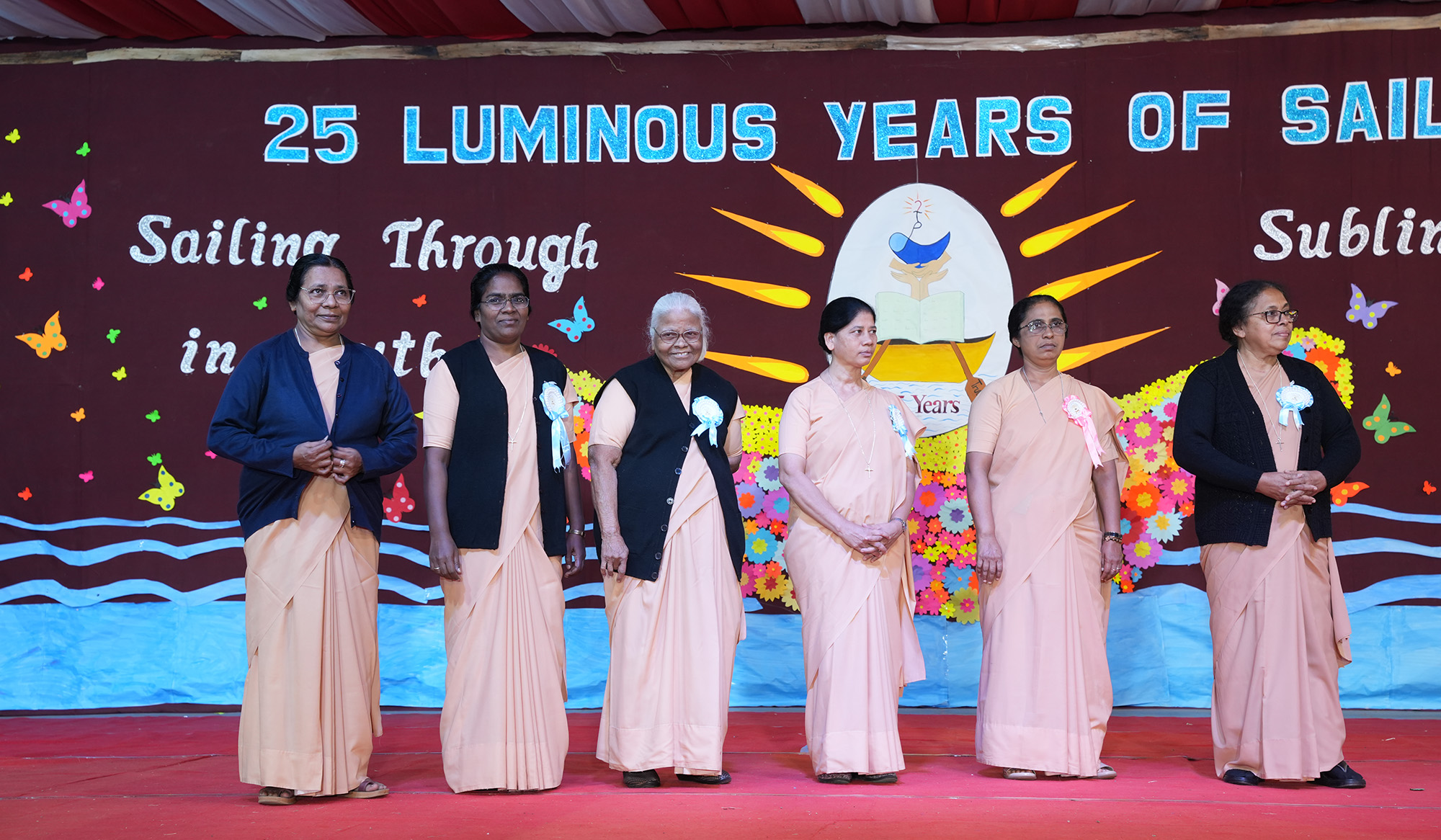
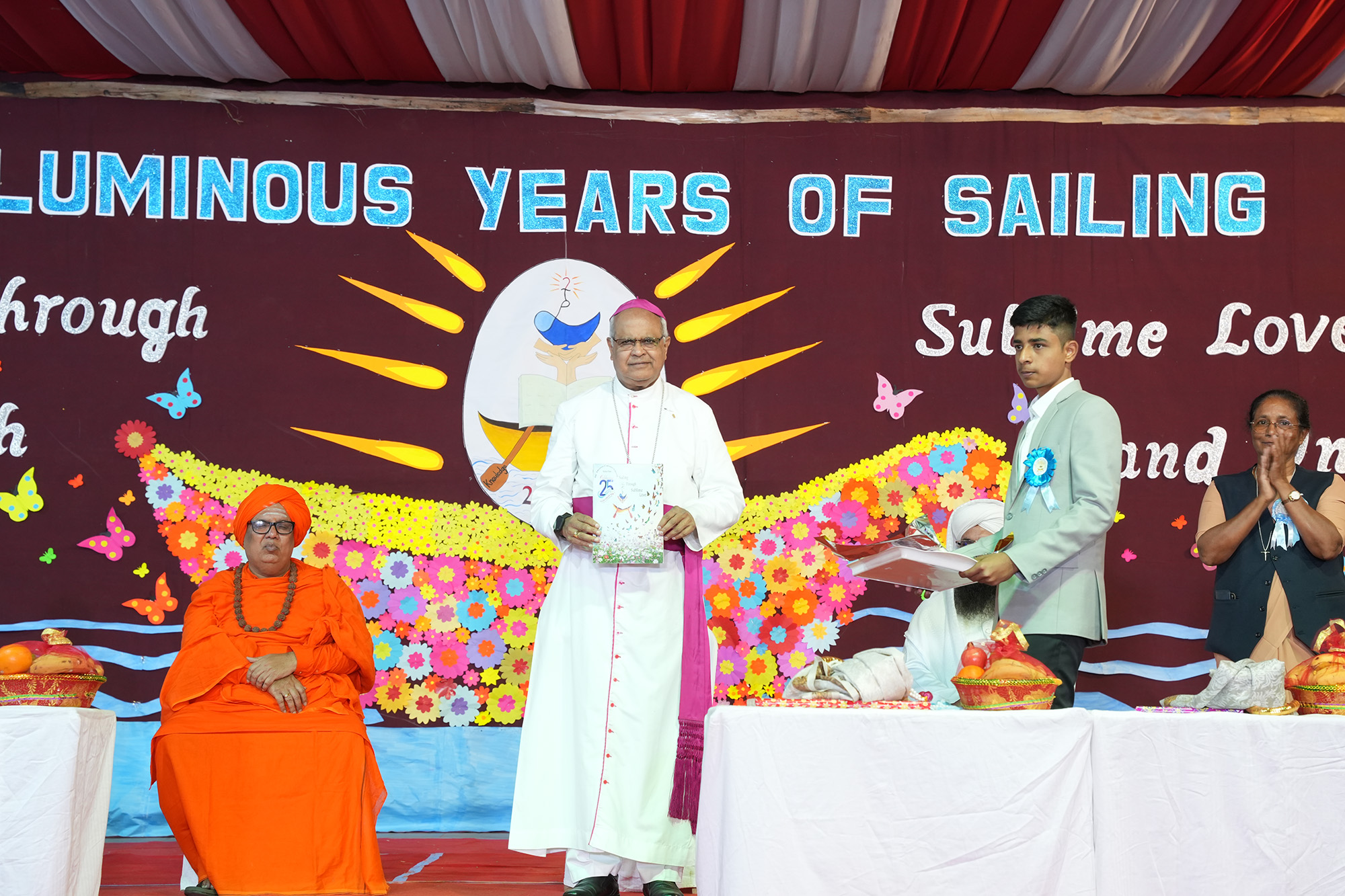
* It is organized as a Federation of communities active in Africa, Asia, Europe, and North America, numbering approximately 600 sisters.
* Their work focuses on education, social justice, pastoral ministry, spirituality, and community outreach, grounded in service to those most in need.
* In India, for example, the Ursuline Sisters (SU) are engaged in education, medical work, and social-pastoral apostolates in states including Maharashtra, Goa, and Karnataka, continuing the charism of teaching and service.
* New foundations, such as schools opened in Nigdi (est. 1965) in India, reflect ongoing growth and response to local needs.
✨ Legacy of the Society of St. Ursula

Founder:* Venerable Anne de Xainctonge (1567–1621), declared venerable by the Catholic Church.
Core Charism:* Education of girls and young women, formation of Christian life, and service to the marginalized.
Distinctive Identity:* An uncloistered teaching congregation, historically innovative for allowing sisters to live and minister actively in the world.
In Summary
From its humble beginnings in 17th-century France through periods of suppression, renewal, and global expansion, the Society of St. Ursula of the Blessed Virgin Mary has grown into a vibrant international congregation. Rooted in a passion for education and service, it continues to foster faith, hope, and charity in communities around the world—embodying Anne de Xainctonge’s pioneering vision for women religious in the Church and society.
First Patroness
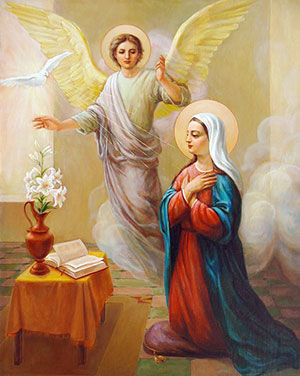
Second Patroness
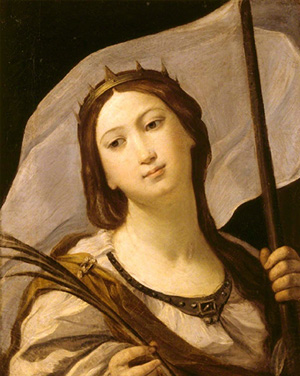
Foundress